
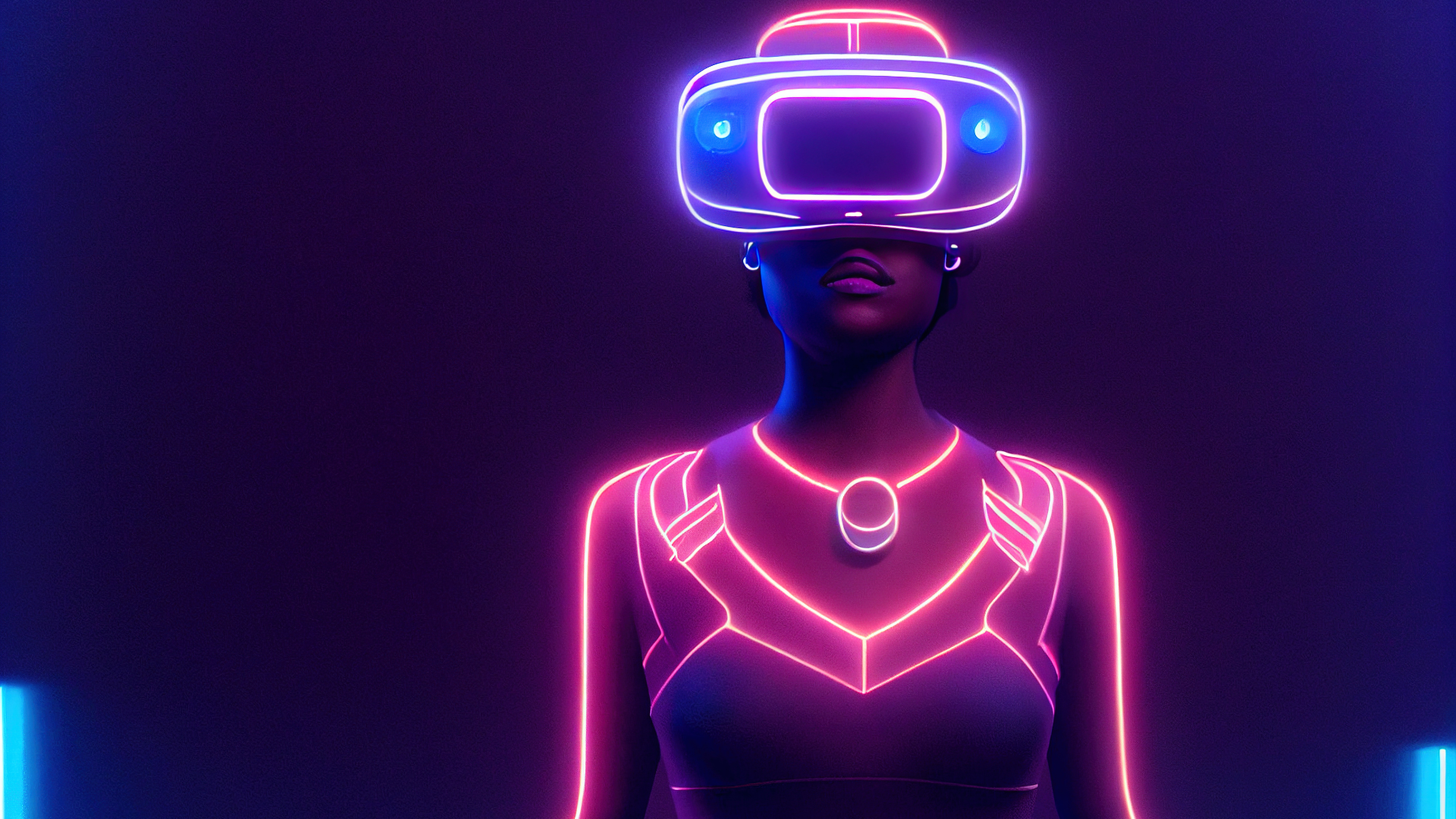
As technology continues to evolve, gaming PCs are on the brink of significant advancements that will redefine the gaming experience. With the rise of virtual reality (VR) gaming, compatibility and performance are becoming essential factors for gamers and developers alike. The future of gaming PCs lies in their ability to seamlessly integrate with VR technology, enhancing immersion and interactivity.
Recent developments in hardware, such as improved graphics cards and faster processors, are paving the way for more sophisticated gaming experiences. Gamers are now looking for systems that can handle the intense demands of VR without compromising performance. Innovations like dedicated VR-ready components will become standard in new gaming PCs, catering to an audience eager for cutting-edge experiences.
Furthermore, the growing popularity of cloud gaming and cross-platform compatibility is pushing manufacturers to focus on adaptable and versatile systems. By prioritizing VR compatibility, gaming PCs will not only attract a broader user base but also ensure that the gaming community remains at the forefront of technological advancements. This shift will be instrumental in shaping the next generation of interactive entertainment.
Evolving Hardware for Gaming PCs and VR Compatibility
The advancement of gaming PCs and VR technology is driven by evolving hardware capabilities. Key developments in graphics processing, memory requirements, and display technologies are integral to enhancing the gaming experience.
Cutting-Edge Graphics Processing and Frame Rates
Graphics processing units (GPUs) like those from NVIDIA and AMD have set new standards. The latest architectures enable significantly higher frame rates, crucial for VR applications.
Target frame rates in VR often exceed 90 FPS, as smoother visuals reduce motion sickness. Features such as ray tracing enhance realism but increase demand on hardware.
Benefits of High Frame Rates:
- Improved immersion in gaming
- Reduction in latency and motion blur
Gaming laptops are increasingly adopting these powerful GPUs, making high-quality gaming more accessible on the go.
Processor and Memory Requirements for the Future
As games and VR applications become more complex, the demand for advanced CPUs and larger memory continues to grow. New processors offer higher core counts and faster clock speeds, translating to better performance.
Dedicated gaming PCs are often equipped with multi-core processors capable of handling intense computational tasks.
Recommended specifications may include:
- CPUs: AMD Ryzen 5000 series or Intel Core i9
- Memory: At least 32 GB RAM to support multitasking and resource-heavy applications
Such configurations make gaming and VR seamless, allowing players to run high-demand applications without lag.
High-Resolution Displays and Expanded Fields of View
The evolution of high-resolution displays significantly impacts gaming and VR. Modern screens offer resolutions of up to 4K, enhancing graphics clarity.
A wide field of view (FOV) is essential in VR, allowing users to experience immersion in their environment. Current models provide up to 120 degrees of FOV, enhancing user experience.
Key Display Features:
- Refresh Rates: Essential for smooth gaming; higher rates (144Hz+) are preferred.
- Adaptive Sync Technologies: NVIDIA G-SYNC and AMD FreeSync reduce screen tearing.
As technology progresses, gaming handhelds are also expected to feature similar high-resolution and FOV capabilities, catering to gamers on the move.
Next-Generation VR Headsets and Immersive Gaming Experiences
The evolution of VR headsets introduces remarkable advancements that enhance the gaming landscape. Focused innovations, improved motion tracking, and cross-platform compatibility are transforming user experiences and expanding accessibility in virtual reality.
Innovations in VR Headset Technology
Next-generation VR headsets feature substantial advancements in display technology. Devices like the Meta Quest 3 and Apple Vision Pro utilize high-resolution screens for sharper visuals. This clarity enhances immersion, making virtual environments feel more realistic.
Head-mounted displays now incorporate adaptive optics and wider fields of view. The PlayStation VR2 offers haptic feedback through headsets, deepening engagement. Moreover, advanced comfort designs reduce fatigue during extended use, appealing to gamers who engage in long sessions.
Battery life is another focal point, with improvements allowing for longer play without interruption. Emerging technologies, like eye tracking and foveated rendering, optimize performance and accelerate frame rates, driving deeper immersion.
Motion Tracking and Enhanced Immersion
Accurate motion tracking solidifies the immersive qualities of VR experiences. Modern headsets, including the Valve Index and HTC Vive, employ advanced tracking solutions that capture users’ movements with precision. This capability augments gameplay since it allows for natural interactions.
Innovative tracking systems often encompass both external sensors and onboard systems, minimizing tracking errors. Features like hand tracking enable players to manipulate virtual objects intuitively. Moreover, spatial audio integration ensures sound aligns with visual cues, further enhancing realism.
Room-scale VR has gained traction, allowing players to move freely within defined spaces, resulting in unprecedented immersion. As motion tracking technology continues to evolve, the boundary between the physical and virtual worlds becomes increasingly blurred.
Standalone and Cross-Platform VR Compatibility
Standalone VR headsets like the Meta Quest 3 enable users to play without the constraints of a tethered PC, providing flexibility and portability. This accessibility caters to a broader audience, making VR more mainstream.
Cross-platform compatibility is critical, allowing players using different headsets to interact within the same virtual space. Titles designed for cross-play enhance community engagement, as gamers can collaborate or compete regardless of their VR system.
Developers increasingly prioritize compatibility across diverse devices. This collaborative ecosystem fosters a richer library of immersive gaming experiences, ensuring that content is readily available to users, regardless of their hardware choices.
Content, Platforms, and the Expanding VR Ecosystem
The landscape of VR gaming is rapidly evolving, with diverse platforms and content shaping the future. Virtual reality experiences are becoming more immersive, while new apps and social features are enhancing engagement in gaming.
VR Gaming Experiences and Platform Support
VR gaming is increasingly accessible across multiple platforms. Steam has positioned itself as a leader with its comprehensive library of VR titles, supporting various headsets such as Oculus and HTC Vive. Major consoles like PlayStation 5 have introduced dedicated VR systems, enhancing the gaming experience with titles like Astro Bot Rescue Mission.
Xbox, although focused primarily on traditional gaming, is rolling out features that may support VR in the future. Game Pass brings an extensive catalog of games, some of which are rumored to include VR options. Quality content, combined with robust platform support, fosters a richer gaming experience.
Emerging Social and Interactive Elements
The integration of social interaction within VR is reshaping user engagement. VR gaming platforms are implementing features that allow players to connect within immersive environments. Games such as Rec Room and VRChat emphasize social interaction, enabling users to meet and collaborate with others.
This shift towards community-driven content enhances the VR experience, driving the gaming industry to focus on multiplayer functions. Tools for voice chat and avatar customization are becoming standard, ensuring players can communicate and interact seamlessly. The blend of social features with gaming content positions VR as a compelling medium for new forms of entertainment.
Future Trends: Augmented Reality, Mixed Reality, and Beyond
The landscape of augmented and mixed reality is evolving rapidly, shaping the future of immersive gaming. Technologies are becoming increasingly integrated, providing new experiences and interaction possibilities.
Advances in Augmented and Mixed Reality Integration
Recent advancements have enhanced the integration of augmented reality (AR) and mixed reality (MR) into gaming PCs. These developments enable more vivid virtual interactions and environments.
Key Innovations:
- AR Glasses: Lightweight, high-resolution AR glasses enhance gameplay by overlaying digital elements onto the real world.
- MR Environments: Mixed reality setups allow for a blend of physical and digital worlds, engaging players in unprecedented ways.
Notable companies are investing heavily in this technology. This trend is pushing the boundaries of immersive gaming experiences, making them more engaging and interactive.
Compatibility Challenges and Opportunities
As AR and MR technologies advance, compatibility becomes a crucial aspect for gaming PCs. Not all systems are equipped to handle the requirements of new AR devices, leading to fragmentation.
Key Considerations:
- Performance Needs: High-performance components are essential for optimal AR experiences, including upgraded GPUs and fast processors.
- Software Integration: Developers must ensure that their gaming titles can seamlessly transition between traditional gaming and AR/MR formats.
These challenges also present opportunities for innovation. Manufacturers can create more versatile gaming setups that support varied experiences, appealing to a broader audience. As gaming PCs evolve, addressing these compatibility issues will be key in maximizing the potential of AR and MR.